
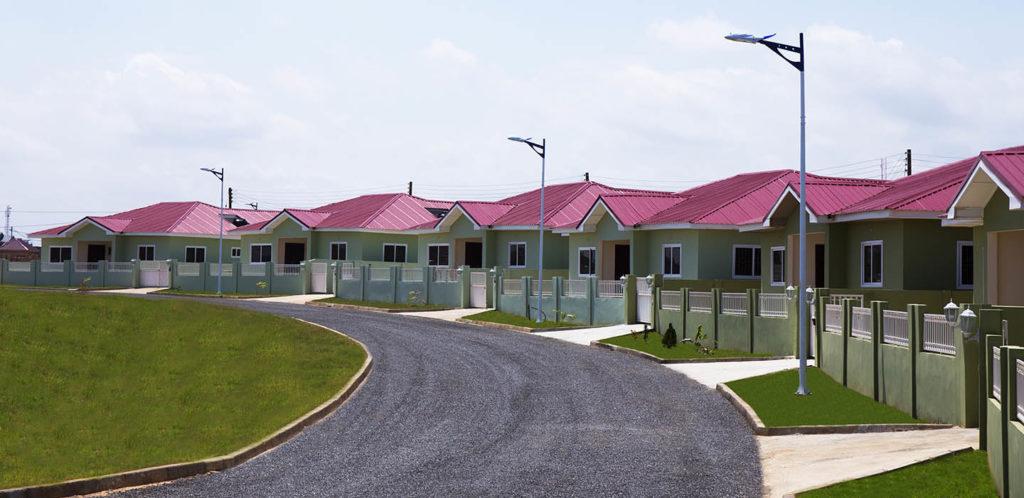
At TISOL, we help families navigate the property market every day. One of the biggest questions prospective homeowners ask us is whether to buy in a gated community or build a standalone home. We’ve seen that the choice isn’t just financial, it’s about the kind of life you want to lead.
Your lifestyle, security needs, long-term goals, family situation, and personal preferences all play a role in determining which option is best for you.
So, which one offers better value? Let’s explore both options.
The Appeal of Gated Communities
Over the past decade, gated communities have become increasingly popular across Greater Accra and Tema. Developments such as Lakeside Estate, Community 25 by Devtraco Plus, Appolonia City, Oyarifa Park, Rehoboth Properties’ developments, and several residential estates in East Legon Hills have attracted professionals, young families, and Ghanaians in the diaspora seeking security and convenience.
The appeal is easy to understand.
Most gated communities offer:
- 24/7 security and controlled access
- Well-maintained roads
- Reliable water supply systems
- Backup power solutions
- Recreational facilities such as gyms, playgrounds, swimming pools, and clubhouses
- A clean and organized environment
For many buyers, especially Ghanaians living abroad and returning home, gated communities provide a sense of comfort and predictability. Families often appreciate the secure environment where children can play safely and residents can enjoy a strong sense of community.
In many estates, management teams handle common maintenance issues like sewage, garbage disposal, security, cleaning, etc., which not only reduce stresses associated with homeownership but make for a more comfortable and secure living.
However, these benefits come at a price.
The Cost of Convenience
Properties within gated communities are typically more expensive than similar standalone homes.
Beyond the purchase price, homeowners are required to pay service charges or maintenance fees. These fees help maintain common areas, security services, roads, lighting, landscaping, and recreational facilities.
Depending on the estate, service charges can range from a few hundred Ghana Cedis to several thousand Ghana Cedis annually or even monthly.
For some homeowners, these recurring fees can feel similar to paying rent despite owning the property outright.
As a result, while gated communities offer convenience and peace of mind, they may not be the ideal choice for everyone.
The Freedom of Standalone Homes
For many Ghanaians, the ultimate dream is owning a piece of land and building a home from the ground up.
A standalone home gives you complete control over your property.
You decide:
- The design and layout
- Future expansions
- Landscaping choices
- Exterior finishes and colours
- Additional structures such as shops, gardens, or guest houses
Unlike gated communities, there are usually no estate regulations dictating how your property should look.
Financially, standalone homes can also be more affordable, particularly if you already own the land. Building independently allows you to avoid developer markups and service charges.
Another advantage is flexibility. Homeowners can build in phases, expand later, or renovate according to their changing needs and financial circumstances.
The Responsibilities That Come With Freedom
Of course, greater freedom comes with greater responsibility.
When you own a standalone home, you become responsible for:
- Security arrangements
- Property maintenance
- Utility management
- Road access concerns
- Water supply solutions
- Waste management
If a road in your neighbourhood deteriorates, there may be no estate management office to address it. If security becomes a concern, you’ll need to invest in your own measures such as CCTV systems, electric fencing, security personnel, or guard dogs.
While standalone homes provide independence, they also require active management and ongoing attention.
Comparing the Two Options
Security
When it comes to security, gated communities generally have the advantage.
Controlled access points, security personnel, visitor screening procedures, and perimeter protection create a safer environment for residents.
Standalone homes can also be secure, but achieving similar levels of protection requires additional investment by the homeowner.
Maintenance
In gated communities, estate management teams typically oversee maintenance of shared infrastructure and common areas.
Standalone homeowners are fully responsible for all repairs and maintenance, from plumbing and electrical systems to exterior upkeep.
Freedom and Flexibility
This category clearly favours standalone homes.
Homeowners have complete freedom to modify, expand, or personalize their properties without seeking approval from estate management.
In contrast, gated communities often enforce architectural guidelines to maintain a consistent appearance and preserve property values.
Community and Lifestyle
Gated communities often foster stronger social interaction among residents. Shared amenities and organized environments encourage community engagement.
Standalone homes typically offer greater privacy but may provide fewer opportunities for neighbourly interaction.
Cost
Standalone homes are often less expensive initially, particularly when land ownership is already secured.
Gated communities generally involve higher acquisition costs as buyers are paying not only for the property itself but also for infrastructure, security, convenience, and lifestyle benefits.
Safeguarding Your Investment: A Due Diligence Checklist
For our clients living abroad, the “Trust Gap” is a significant concern. Buying property from a distance isn’t just a financial transaction; it’s an exercise in risk management. To ensure your investment is secure, never skip these four steps:
- Verify the Land Title: Never assume a property is legally secure because it is fenced or marketed by a reputable firm. Engage an independent legal professional to perform a diligent search at the Lands Commission.
- Secure Independent Legal Counsel: While developers will provide their own legal documentation, it is essential to have your own lawyer review every agreement. Their sole responsibility is to protect your interests, not the developer’s.
- Conduct an “On-the-Ground” Assessment: Never rely solely on brochures or digital walkthroughs. If you cannot visit personally, mandate a trusted agent or representative to conduct a site visit, verify the stage of construction, and check the quality of existing infrastructure.
- Request the Service Charge Breakdown: Don’t just ask how much the service charge is; ask what it covers. A reputable estate should be able to provide a clear budget that includes a dedicated sinking fund for major future infrastructure repairs.
The Reality Behind the Marketing
| TISOL Pro Tip:
When evaluating a gated community, don’t be afraid to ask for the “3-Year Maintenance History.” Ask the developer: “Has the service charge increased, and if so, what was the primary driver?” If the charge has remained stagnant for years, it’s a red flag, it likely means the community is neglecting long-term maintenance. If it has increased, ask to see the projects funded by those increases. A well-managed estate will be proud to show you how they are reinvesting in the community’s future value. |
An important point many buyers overlook is that not all gated communities are created equal.
Some estates are exceptionally well managed, while others struggle with maintenance, declining facilities, and ineffective management despite collecting service charges.
Before purchasing in any estate, it is essential to assess:
- The quality of estate management
- The condition of existing facilities
- The history of service charge increases
- Resident satisfaction levels
- Long-term sustainability plans
Similarly, building a standalone home is not always as straightforward as it seems.
Construction projects often involve unexpected expenses, contractor challenges, delays, and ongoing supervision requirements. Without proper planning and professional guidance, building independently can become stressful and costly.
So, Which Option Is Worth It?
There is no universal answer.
A gated community may be ideal if you value:
- Security
- Convenience
- Shared amenities
- Organized living
- Minimal day-to-day property management
A standalone home may be better suited if you prioritize:
- Freedom
- Customization
- Long-term flexibility
- Lower recurring costs
- Complete control over your property
Ultimately, the right choice depends on your personal priorities, lifestyle, financial situation, and long-term goals.
Final Thoughts
Both gated communities and standalone homes offer unique advantages and challenges. Neither option is perfect, but both can provide a fulfilling homeownership experience when aligned with your needs.
Before making a decision, carefully evaluate your lifestyle, budget, family requirements, and future plans.
The best home is not necessarily the most expensive or the most luxurious—it is the one that supports the life you want to build.
If you’re ready to start your search or need help navigating your property options, reach out to us at TISOL for a personalized consultation. We’ll help you weigh these factors against your specific budget and long-term goals to ensure you make the investment that’s right for you.
Whether you’re considering a gated community or planning to build your own home, understanding the trade-offs is the first step toward making the right investment.